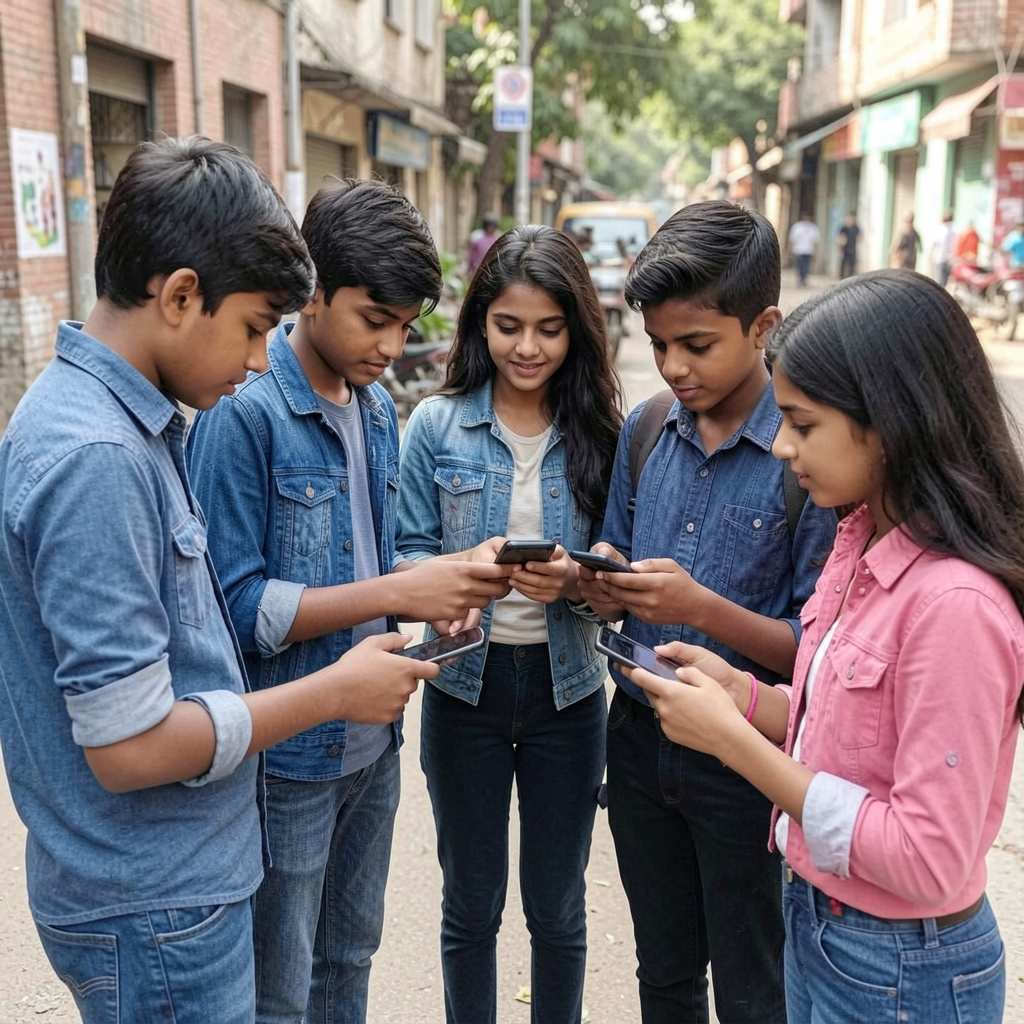
“Comparison is the thief of joy,” Theodore Roosevelt, former President of the US, aptly captured a feeling that has become relevant in the age of social media. Social media usage has increased drastically over the years. It has impacted not just how young people communicate, but also how they perceive themselves. For example, a teenage girl might scroll through a friend’s posts and see photos from a beach vacation or someone’s perfect selfie and start to feel that her own life does not measure up. The habit of constantly comparing one’s body, lifestyle, habits, and achievements is taking a toll on youth’s emotional well-being.
SOCIAL MEDIA AND IDENTITY
Social media has now become an important parameter in identity formation. Platforms such as Instagram, Facebook, Snapchat and X nurture a culture of comparison, often pressuring young users to conform to standards portrayed online. Youth adopt certain behaviours to gain approval from the online community.
THE NEGATIVE IMPACT OF SOCIAL MEDIA
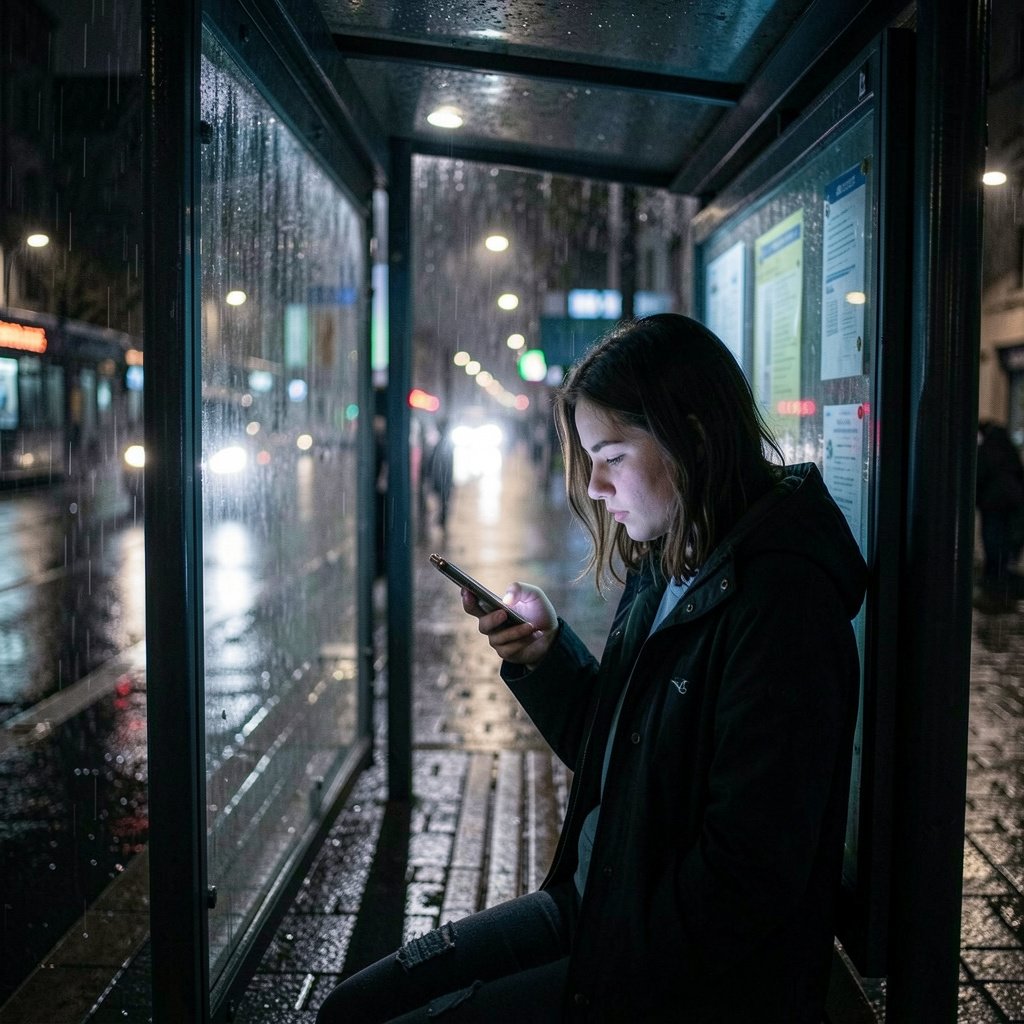
The constant pursuit of likes, comments and shares on social media has fuelled a growing need for online validation. It can contribute to elevated anxiety, low self-esteem and other mental health challenges among young people. Late-night doomscrolling and blue light exposure delay bedtime. It disrupts sleep, leaving many young people mentally and physically drained.
THE POSITIVE IMPACTS OF SOCIAL MEDIA
Like any effective tool, social media has two sides. Beyond endless scrolling lies a platform that connects people, encourages learning, and unlocks opportunities beyond geographical boundaries. For many young people, it’s a space to develop new skills and showcase their talents. Beyond enabling peer connections, social media also offers the LGBTQ+ community a safe space to share their identities and build supportive networks.
HOW TO TELL IF YOU NEED TO TAKE A BREAK?
If you feel that social media is negatively affecting you, listen to yourself and reassess your relationship with it. You should limit social media usage if you feel any of the following:
- You consistently feel worse after going online.
- Your work or studies are being affected.
- You feel the urge to check your phone constantly.
- Your sleep is being disrupted.
- You frequently compare your life with what you see online.
- You feel the need to control or monitor what others post.
TIPS FOR USING SOCIAL MEDIA MINDFULLY
Young adults can take a few steps to protect their mental health while using social media. Here are some of the ways to handle it:
- Set daily time limits for social media apps.
- Avoid comparing your life with online content.
- Mute or unfollow accounts that make you feel unhappy, anxious or inadequate.
- Follow accounts that encourage and teach you.
- Avoid scrolling for at least 60 minutes before bedtime.
- Make time for activities outside of social media.
THE DOUBLE-EDGED SWORD
Social media is a double-edged sword. It helps us stay connected with friends and family while also creating distractions and disruptions. Social media platforms may at times resemble slot machines, offering unpredictable rewards in the form of likes, comments, and notifications that encourage users to keep coming back. You should realise that life exists beyond the screen. Make time for hobbies, relationships and activities that do not require a like or share. In the end, balance the virtual and the real world.
Remember you do not have to handle it on your own. Talk to a trusted adult or counsellor for support. At the end of the day, life exists beyond these screens, and sometimes, the healthiest scroll is no scroll at all.